April 22, 2026
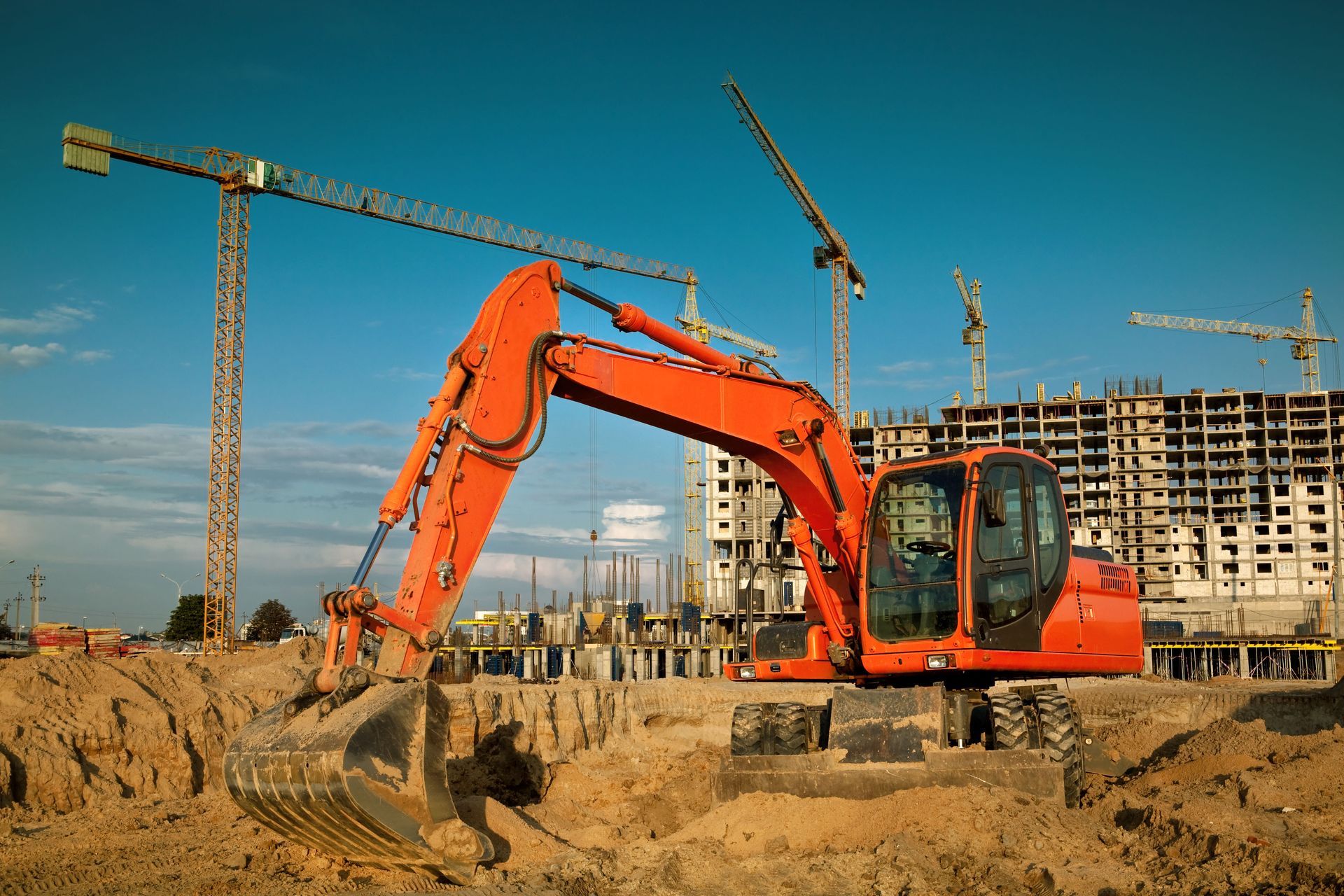
Choosing the right equipment strategy can have a major impact on the success of a construction project. Tower cranes play a key role on large commercial jobs, high-rise developments, industrial builds, and infrastructure projects by supporting material handling and improving lifting efficiency. While their importance is clear, deciding whether to rent or own one is a significant business decision that affects costs, scheduling, storage, maintenance, and long-term flexibility.
For many contractors, developers, and project managers, the decision comes down to usage and financial commitment. Owning a tower crane provides direct access but also involves ongoing responsibilities beyond the initial purchase. In contrast, crane rental offers flexibility, lower upfront costs, and access to equipment suited for specific projects. Understanding these differences helps companies make informed decisions that support productivity and profitability.
Comparing Upfront and Long-Term Costs
One of the biggest differences between renting and owning a tower crane is the financial commitment required at the beginning. Purchasing a tower crane requires a substantial capital investment, and that cost can affect cash flow, borrowing capacity, and the budget available for other business priorities. In addition to the purchase price, buyers also need to consider transportation, setup, permitting, insurance, operator training, inspections, and ongoing repair costs. While ownership may eventually pay off for companies with constant long-term demand, the initial expense is significant and can place pressure on working capital.
Renting usually offers a more manageable financial path, especially for companies that need the equipment for a defined project timeline rather than on a permanent basis. With crane rental, businesses can align costs more closely with active jobs instead of tying up funds in equipment that may sit idle between projects. This approach may also reduce the need for large loans or major capital expenditures. For companies that want to stay agile and protect cash flow, renting often provides a practical way to access heavy-lifting equipment without carrying the full financial burden of ownership.
Comparing Flexibility and Project Fit
Construction projects vary widely in size, scope, duration, and technical demands. A tower crane that works well for one project may not be the best choice for another, especially when lift capacity, reach, height, and site limitations differ. According to Heavy Equipment Colleges of America, tower cranes are capable of lifting anywhere from 20 to 100 tons, depending on the model. That wide range shows why equipment selection matters so much. Companies that own a single crane may find that it does not always match the needs of every project they take on.
Renting gives contractors the ability to choose equipment that fits the job instead of trying to make one owned asset work in every situation. This flexibility can be especially helpful for businesses that take on different types of builds throughout the year. Crane rental also makes it easier to scale up or scale down depending on project demands, which may help improve efficiency on the job site. Instead of committing to one machine for years, companies can access the right crane for each phase of work and adapt as new opportunities arise.
Comparing Maintenance and Repair Demands
Owning a tower crane means taking full responsibility for its condition, performance, and compliance over time. That includes routine inspections, preventive maintenance, part replacement, and repairs when something goes wrong. Heavy equipment downtime can delay project schedules, disrupt coordination among subcontractors, and increase costs across the entire job. The owner must also stay on top of service records, safety requirements, and the logistics of getting the crane repaired quickly when issues arise. These responsibilities can become time-consuming and expensive, particularly for businesses without a dedicated equipment management team.
Renting often reduces much of that operational strain because maintenance support is typically handled through the rental provider or outlined in the rental agreement. While the exact terms can vary, many renters benefit from having access to equipment that has already been serviced and prepared for use. If an issue occurs, the rental company may be able to provide technical support, replacement components, or alternate solutions more quickly than a contractor managing everything independently. For many businesses, crane rental offers a simpler way to keep projects moving without carrying the full weight of long-term maintenance obligations.
Comparing Storage and Logistics Needs
Another important factor in the rent-versus-own decision is what happens when the crane is not being used. Ownership does not stop being expensive once the project is over. The crane still needs to be dismantled, transported, stored, and protected until the next job begins. Storage space for heavy construction equipment is not always easy to secure, and idle equipment can still generate costs through security needs, insurance, inspections, and deterioration over time. These logistics may not be obvious at first, but they can add up quickly after the initial purchase.
Renting can remove many of those concerns because the equipment is returned when the project is complete. That means the contractor does not need to maintain yard space for a large asset that may sit unused for months. Crane rental can also simplify transportation planning, especially when the provider handles delivery and pickup as part of the arrangement. This can be a major advantage for companies working in multiple locations or on a project-by-project basis. By reducing storage and logistical obligations, renting allows businesses to stay focused on active work rather than inactive equipment.
Comparing Risk and Equipment Utilization
Equipment ownership always carries some level of financial risk. If the market slows down, project volume shifts, or the company changes direction, an owned tower crane may no longer be used often enough to justify its cost. Idle equipment represents money that is not generating value, and resale markets can fluctuate based on demand, condition, and model type. Businesses that own cranes must think carefully about utilization rates because profitability depends not just on having the machine, but on using it often enough to support the investment.
Renting helps limit that exposure because companies pay for the crane when they need it rather than carrying year-round ownership costs. This can be especially valuable for businesses with seasonal project pipelines or inconsistent demand for high-capacity lifting equipment. Crane rental allows firms to preserve flexibility while reducing the risk of underused assets. Instead of worrying about whether a purchased crane will be busy enough throughout the year, contractors can make decisions based on actual project needs and current workload.
Comparing Control and Business Strategy
There are situations where ownership may still make sense. Companies with a steady volume of large-scale projects, strong equipment management resources, and consistent crane demand may benefit from having direct control over a dedicated machine. Ownership can provide immediate access without relying on rental availability, and for businesses with a highly predictable pipeline, it may support long-term cost savings. It can also allow a company to standardize operations around a familiar piece of equipment and integrate it into broader fleet planning.
Still, many businesses find that renting better supports modern construction demands, especially when project timelines, budgets, and equipment requirements can change quickly. Renting can free up capital, reduce administrative burdens, and give contractors more options as new jobs emerge. It also allows companies to stay focused on core operations rather than asset management. For firms looking to balance performance, flexibility, and cost control, crane rental often aligns more closely with a growth-oriented business strategy that values efficiency and adaptability.
Deciding between renting and owning a tower crane is ultimately about more than equipment access. It is about how a company wants to manage costs, risk, maintenance, logistics, and project flexibility over time. While ownership may suit some businesses with ongoing crane needs, renting often provides a more practical solution for companies that want to stay financially flexible and match equipment choices to each job. By weighing both options carefully, contractors can choose the path that supports stronger operations and better project outcomes. To find the right lifting solution for your next project, contact JTB Rentals today for a reliable crane rental.