March 24, 2026
Understanding the importance of selecting the right construction equipment is crucial for the success of any project. This comprehensive guide explores the process of choosing between various types of equipment rentals, ensuring efficiency and cost-effectiveness in large-scale and small-scale operations.
Understanding Rental Equipment Needs
Assessing Project Requirements
Identifying the specific needs of a construction project is the foundation for selecting the right equipment rentals. Project managers must evaluate the scope, terrain, and conditions of the project site. Understanding these elements allows for the identification of the equipment types that will yield the best results. For instance, a project set on rough terrain might require a specific kind of excavator designed for stability. Not assessing project requirements in detail can result in costly errors and delays.
In addition to physical requirements, logistical factors such as the timeline and phases of the project must be considered. Some projects may require specialized equipment for short durations, for which renting is ideal. It offers flexibility to switch between different equipment types as project needs change. Such an approach ensures that you are equipped to handle individual phases effectively without over-investment in machinery. Renting becomes integral in optimizing project workflows with minimal financial burden.
Aligning equipment with project requirements enhances overall efficiency and effectiveness. By doing so, construction companies can focus on quality execution rather than managing equipment issues. Moreover, using the right equipment reduces wear and tear, thereby minimizing downtime. This strategic approach minimizes delays and ensures deadlines are met without compromising on quality. Ultimately, comprehensive needs assessment leads to more informed equipment rental choices.
Determining Equipment Suitability
Once the project requirements are clearly defined, evaluating the suitability of equipment options is the next step. Factors like equipment performance, adaptability, and reliability should influence this choice. Different equipment models offer unique features; selecting the optimal model is crucial for project success. Each type of machinery has suitable applications. Evaluating features against project demands determines suitability while avoiding mismatches.
Environmental considerations also play a role in determining equipment suitability. Machinery that operates efficiently in diverse weather conditions or unusual geographic areas becomes a priority for some projects. Choosing reliable and adaptable equipment can noticeably enhance productivity. For example, in terrains that experience frequent rainfall, opting for equipment with enhanced traction capabilities is necessary. Evaluating these factors prevents unforeseen disruptions and maximizes resource efficiency.
Analyzing Budget Constraints
A critical aspect of equipment rentals involves analyzing financial constraints. Project budgets dictate equipment scope, making cost-effectiveness a key priority. Construction equipment rentals can help companies save between 30% and 50% of the total cost of ownership, according to Reservety. The savings from budgeting correctly can be redirected towards other essential project areas, enhancing overall quality. An equitable balance between cost and equipment efficiency promotes healthy financial management.
Effective budgeting further entails negotiating rental terms that align with financial realities.
Understanding rental agreements and considering total costs, including maintenance, minimizes financial risk. Choosing equipment rentals known for transparent pricing is crucial; hidden costs can significantly affect budgets. Proper financial planning prevents shortfalls and ensures contractual obligations are met. A thorough budget analysis contributes to feasible and successful project execution, maintaining fiscal responsibility.
Identifying the Duration of Use
The anticipated duration of equipment use critically affects rental decisions. Short-term equipment rentals accommodate rapidly changing needs often present in dynamic projects. Identifying the duration helps companies organize equipment leasing efficiently, adapting to project timelines. Shorter rental periods provide flexibility without long-term investment requirements. Against this backdrop, the duration becomes a significant determinant of the rental strategy adopted.
For longer-term project needs, extended rental agreements can offer financial savings. Rental companies might offer discounts or incentives for longer commitments, negating the need for frequent renewals. Planning for long-duration rentals ensures consistency and reliability without frequent logistical changes, such as transportation and operator reassignment. Analyzing expected project timelines enables companies to create strategic, cost-effective rental plans. Such plans enhance operational stability and maintain momentum in project development.
Types of Excavators and Their Uses
Standard Excavators
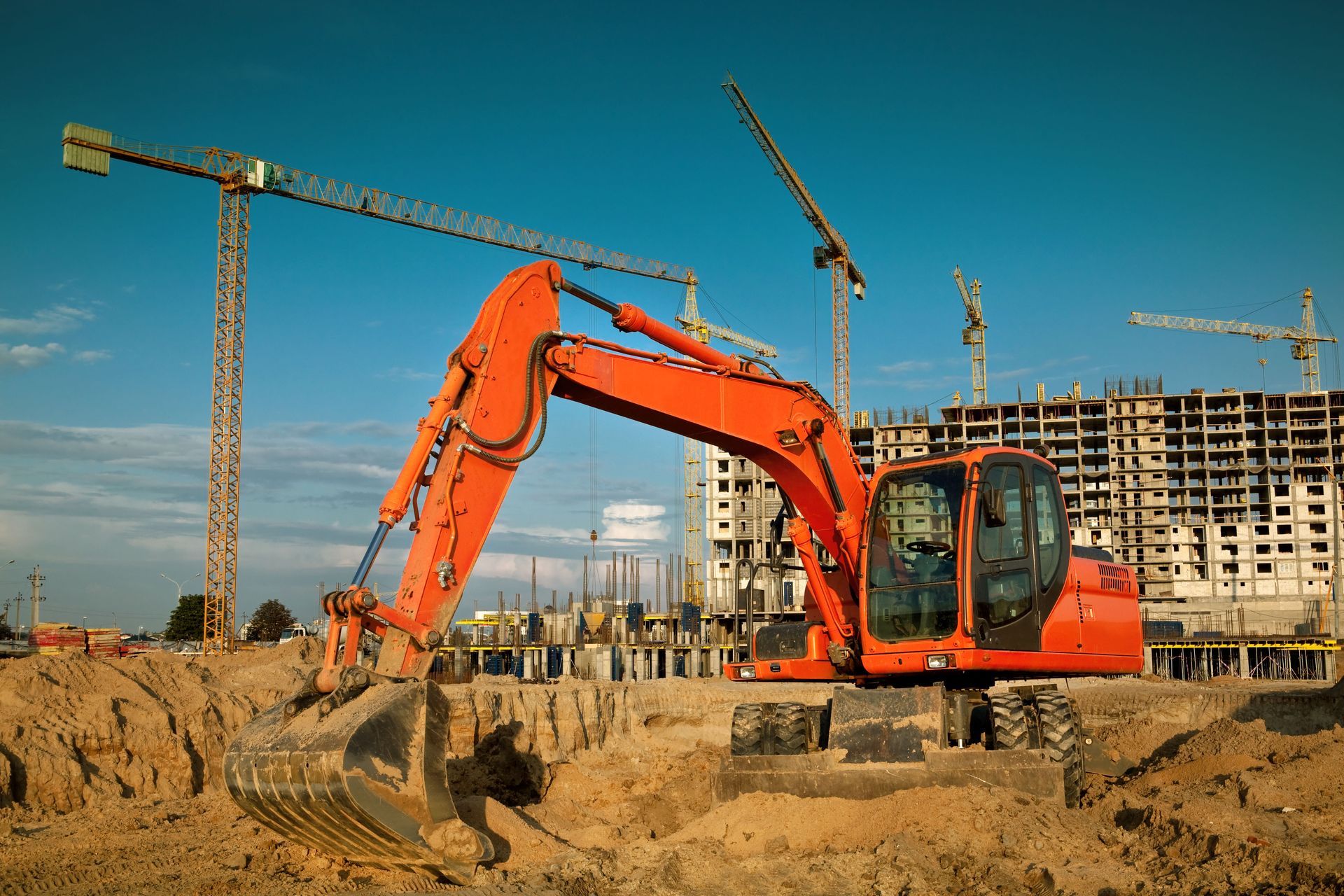
Standard excavators serve as versatile and reliable tools extensively used in construction projects around the world. Equipped with a range of attachments, they efficiently handle tasks like digging, lifting, and moving materials. Their robust frames offer stability, enabling them to function effectively on diverse terrains. Standard excavators are known for balancing power, control, and efficiency, making them a popular choice in various construction scenarios. Their multi-purpose use ensures dependable performance across project requirements.
The versatile nature of standard excavators contributes significantly to project cost management. Projects that vary in scope benefit from the adaptability offered by these machines. By modifying attachments, a single standard excavator can perform the work of multiple specialized machines. Consequently, this flexibility reduces the need for additional equipment, contributing to substantial financial savings. Effective utilization and strategic deployment of standard excavators drive cost-efficiency and project reliability.
Mini Excavators
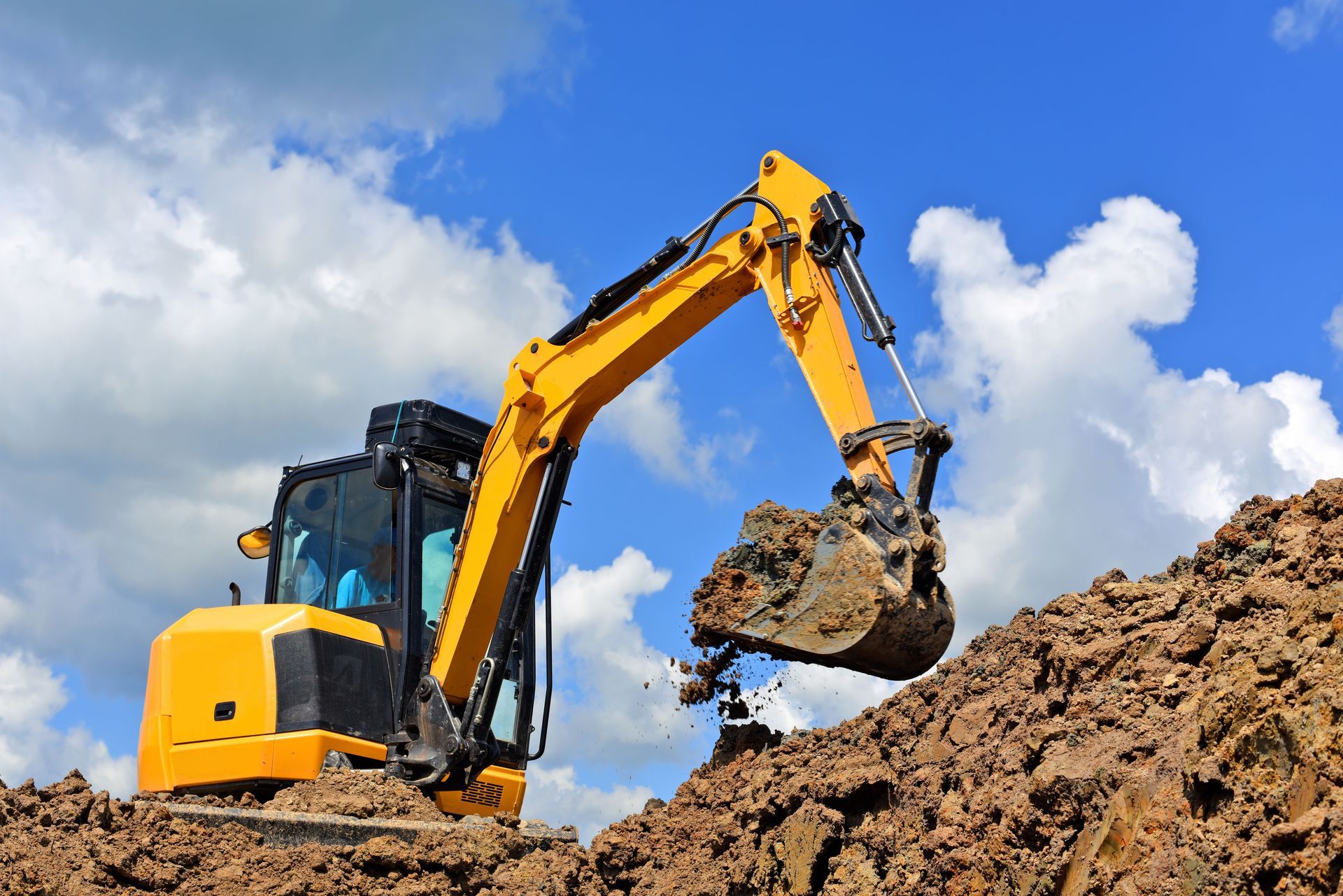
Mini excavators specialize in delivering performance benefits in confined spaces and smaller construction sites. Their compact design ensures agility and reduces the likelihood of site disruption. Suitable for projects with limited access or requiring finesse, mini excavators fit easily in tight spots. Despite their smaller size, mini excavators retain powerful digging capabilities, contributing to operational efficiency. Their use in urban settings, residential areas, and landscaping highlights their specialized utility.
Operating a mini excavator facilitates significant rental cost savings as outlined by Reservety, which claims savings of up to 50% compared to ownership. Their compact scale often results in lower fuel consumption, reducing overall project costs. Meanwhile, transport logistics also become less complicated due to a lighter, smaller footprint. Together, these attributes position mini excavators as cost-effective alternatives suitable for budget-conscious projects. Aligning mini excavator strengths with specific project demands enhances completion speed and precision.
Long Reach Excavators
Long reach excavators are engineered to undertake specialized operations in challenging environments. Their extended boom arms ensure access to areas unreachable by standard machines, maximizing operational reach. Tasks demanding extensive reach, like clearing waterways, riverbanks, and slope stabilizations, benefit from their capabilities. Furthermore, these excavators excel at underwater construction, supporting marine and coastal projects. Effectively deploying long reach excavators resolves access challenges, transforming project limitations into achievable goals.
Projects working on environmental preservation, such as wetland restoration, greatly depend on long reach excavators. Their ability to perform without disrupting surrounding ecosystems makes them attractive for ecologically sensitive tasks. As urbanization pressures push construction projects into mixed terrains, their vast operational range becomes increasingly vital. Equipment rentals solutions offer an accessible option to high-cost, specialized equipment, allowing companies flexible project adaptation. Long reach excavators thus closely match evolving project requirements, reinforcing efficiencies within broader environmental and urban strategies.
Using the Right Excavator for the Job
Identifying the correct excavator type is integral for aligning project methods with objectives. Navigating the diverse range offered by standard, mini, long reach, and hydraulic shovels reflects a project's tailored approach. Complementing various activities with the fitting excavator fully employs the individual benefits. Strategic equipment matching directly affects operational efficiency, diminishing delays and enhancing quality outcomes. Effective equipment selection steers project momentum, maintaining confidence in delivering targeted results.
A precise assessment of unique project challenges aids in promoting equipment choice specificity. Evaluating terrains, resource profiles, and environmental factors offers insight into optimum machinery engagements. Each excavator type possesses distinct skill sets, augmenting particular activities unmatched by alternatives. Aligning these abilities with agreed project deliverables enhances execution strategies. Recognizing a project's individual construction landscape boosts navigational agility and resource deployment effectiveness.
As you can see, there are many things to consider when looking for equipment rentals. Understanding everything discussed above will help you in the long run. If you're looking for equipment rentals, contact JTB Rentals today.