April 21, 2026
In the construction industry, companies are often balancing tight schedules, shifting project requirements, and the need to manage resources efficiently. One approach that many businesses rely on is renting construction equipment instead of purchasing it outright. Renting provides access to a wide range of machinery and tools needed to complete different types of construction work without long-term ownership commitments, including options for local construction equipment rentals.
This approach allows contractors and construction teams to obtain the right equipment for each specific job, whether it involves site preparation, material handling, lifting, or general construction tasks. By using rental equipment, businesses can better adapt to changing project demands while maintaining operational efficiency. It also creates opportunities to approach each project with a more tailored equipment strategy, especially when utilizing local construction equipment rentals to meet changing job site conditions.
Flexible Cost Management
Reduce Upfront Investment
Renting construction equipment removes the need for large initial purchases. Instead of investing heavily in machinery, businesses can allocate resources toward ongoing project needs such as labor, materials, and scheduling. This helps companies maintain flexibility in how they manage their budgets across multiple jobs while exploring local construction equipment rentals as a practical solution.
By avoiding large capital expenditures, businesses can also respond more easily to fluctuations in workload or project timelines. This approach allows for more measured financial planning, especially when managing multiple projects at once. It supports a steady allocation of funds without requiring long-term commitments to equipment ownership.
Use Pay-Per-Use Structure
Rental arrangements typically allow businesses to pay for equipment only during the time it is needed. This helps align equipment costs directly with active project timelines, reducing the need to maintain idle machinery between jobs. Many companies turn to local construction equipment rentals to better match usage with actual project demand.
This structure can also simplify cost tracking, as expenses are tied directly to specific phases of work. It becomes easier to evaluate how equipment usage fits within overall project budgets, helping teams make informed decisions about resource allocation as work progresses.
Avoid Long-Term Ownership Commitments
Owning construction equipment requires ongoing attention to storage, upkeep, and long-term planning. Renting helps businesses avoid these extended commitments by providing access to equipment only when it is required for specific projects. This approach is often supported through local construction equipment rentals that align with short-term needs.
This can reduce the need for additional space, long-term storage solutions, or logistical planning related to maintaining a fleet. It also allows companies to remain focused on current project demands without needing to account for equipment usage beyond the scope of active work.
Broad Equipment Access
Explore Machinery Options
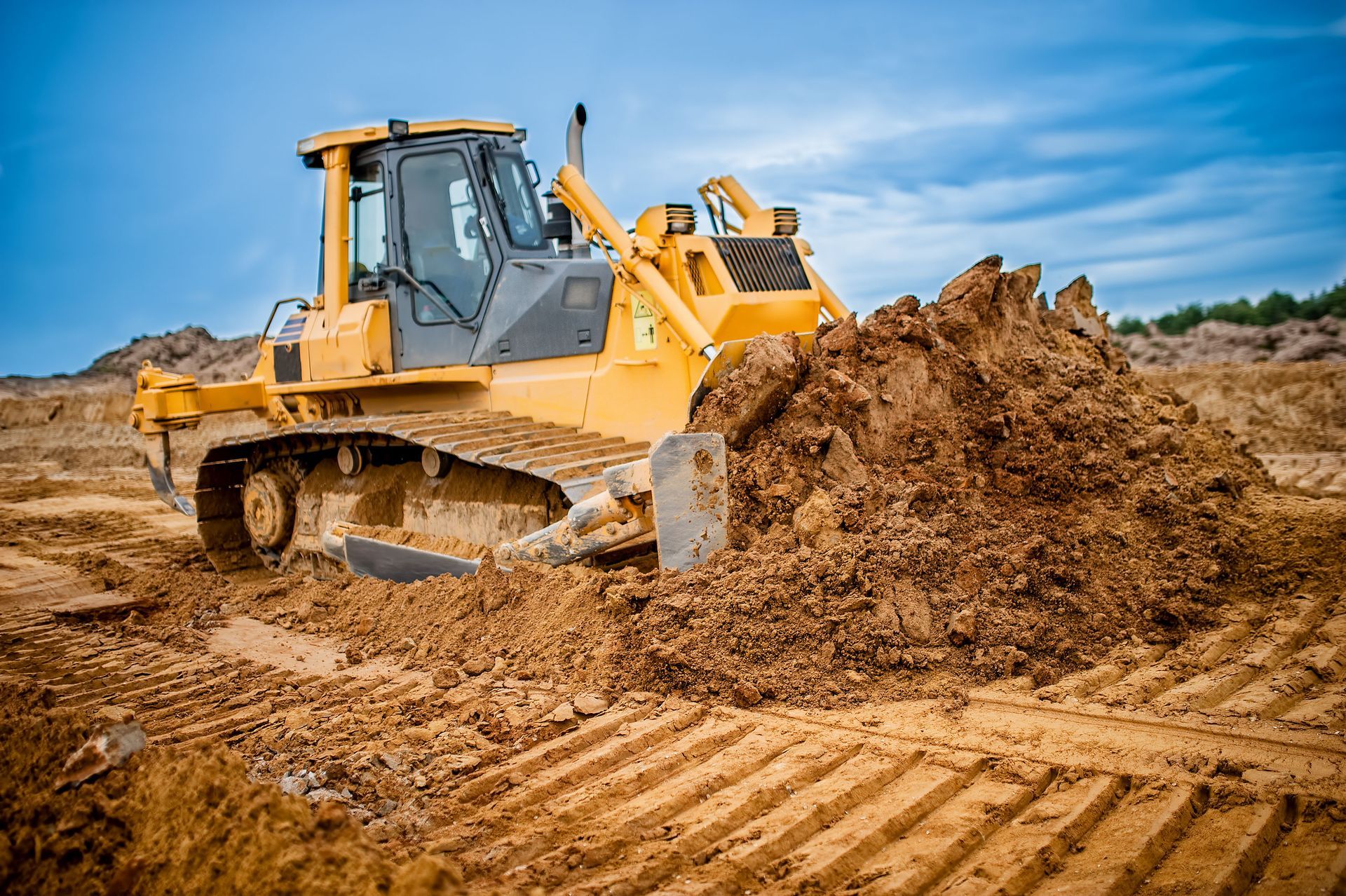
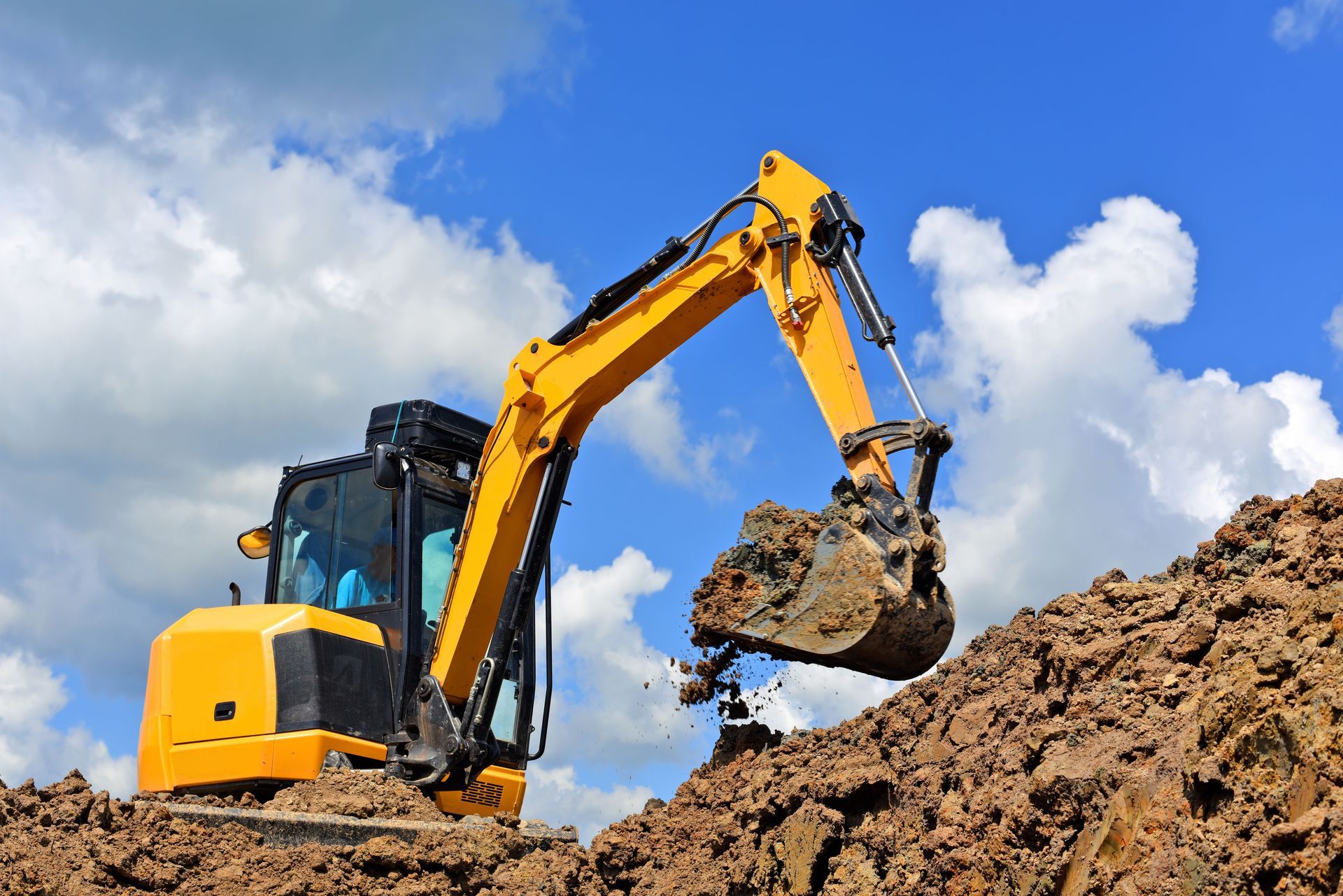
Equipment rental providers typically offer a broad selection of machinery to support different phases of construction work. This may include earthmoving equipment, lifting machines, material handling tools, and general job site equipment. Having access to a variety of machines allows contractors to match equipment to the specific needs of each project, including through local construction equipment rentals.
This variety can be especially useful when working across different types of job sites, each with its own requirements. Being able to select from multiple equipment options helps ensure that each phase of work is supported by tools suited to the task at hand.
Adaptive Operational Flexibility
Adjust to Changing Needs
Construction projects often evolve as work progresses. Renting equipment allows businesses to adjust quickly by switching or adding machinery as project requirements change. This flexibility helps keep work moving without unnecessary delays.
According to the U.S. Department of Energy, predictive maintenance can reduce crane downtime by 35 to 45%. While approaches may vary, maintaining access to equipment that aligns with project demands can support smoother transitions as work evolves.
Scale Equipment Access
Rental services make it possible to increase or reduce the amount of equipment in use depending on the size and scope of a project. This scalability helps contractors manage both small jobs and larger construction efforts without maintaining a permanent fleet.
Being able to scale equipment usage up or down also helps businesses respond to workload changes over time. Whether managing a single job or multiple sites, this approach allows for better alignment between available equipment and current demand.
Choose Rental Timeframes
Rental agreements are typically available in different durations, allowing businesses to choose terms that align with their project timelines. Whether equipment is needed for a short phase or an extended period, rental options provide flexibility in planning.
Efficient Convenience and Workflow
Access Equipment Quickly
Renting equipment allows contractors to access machinery without the delays associated with purchasing. This helps keep projects on schedule by ensuring that the necessary tools are available when needed.
Having timely access to equipment can help reduce interruptions during critical phases of work. It supports smoother coordination between teams and helps maintain forward momentum on the job site.
Replace Equipment Easily
If a piece of equipment no longer fits project requirements, rental arrangements make it easier to exchange or replace it with a more suitable option. This supports continuous workflow on active job sites.
This ability to adjust equipment as needed can help teams stay aligned with project demands. It also reduces the need to work around limitations, allowing crews to maintain efficiency as conditions evolve.
Prepared Equipment Readiness
Start With Ready Equipment
Rental equipment is typically provided in ready-to-use condition, allowing contractors to put machinery into operation quickly upon delivery or pickup. This reduces the time spent preparing equipment before use.
Starting with equipment that is ready for use can help teams focus on completing tasks rather than handling setup or preparation. This contributes to a more efficient start to each phase of work.
Reduce Upkeep Responsibilities
With rental equipment, businesses do not need to manage long-term maintenance schedules or storage logistics. This allows teams to focus more directly on active construction work rather than equipment management.
Reducing these responsibilities can simplify day-to-day operations and help teams stay focused on project goals. It also minimizes the need to allocate additional time or resources toward equipment-related tasks outside of active use.
Focused Core Construction Work
Allocate Resources Effectively
Renting equipment allows companies to concentrate resources on project execution rather than equipment ownership responsibilities. This helps teams focus on completing construction work efficiently.
With fewer resources tied up in equipment management, businesses can direct more attention to scheduling, coordination, and overall project planning. This supports a more balanced approach to managing workloads.
Simplify Daily Operations
By relying on rental equipment, businesses can simplify planning and reduce the complexity of managing a large inventory of machinery. This supports smoother coordination across job sites.
Fewer logistical considerations related to equipment ownership can make it easier to organize tasks and maintain clarity across teams. This contributes to a more straightforward workflow from start to finish.
Maintain Project Efficiency
Access to the right equipment at the right time helps construction teams maintain steady progress across different phases of work. This contributes to more consistent project delivery.
When equipment aligns with project needs, teams can move between tasks with fewer disruptions. This helps maintain continuity throughout the job and supports a more organized approach to completing each phase of work.
For companies working across varied construction projects, renting remains a practical option for maintaining productivity and adapting to changing site conditions. JTB Rentals offers access to a wide range of construction equipment to support our different project needs and workflows. Learn more about available equipment and rental options to find a solution that fits your next project.